


Starting a craft business sounds exciting… until you realize you don’t have the money for a big launch. No fancy studio, no expensive equipment, no paid ads. Just you, your skills, and maybe a few supplies already in your stash.
I’ve been there. When I first started, I didn’t have a big budget to invest in my handmade business. I had to figure out how to make it work with what I had — and trust me, it is possible. In fact, starting small can actually set you up for more success in the long run because you learn how to be resourceful, strategic, and intentional with every decision.
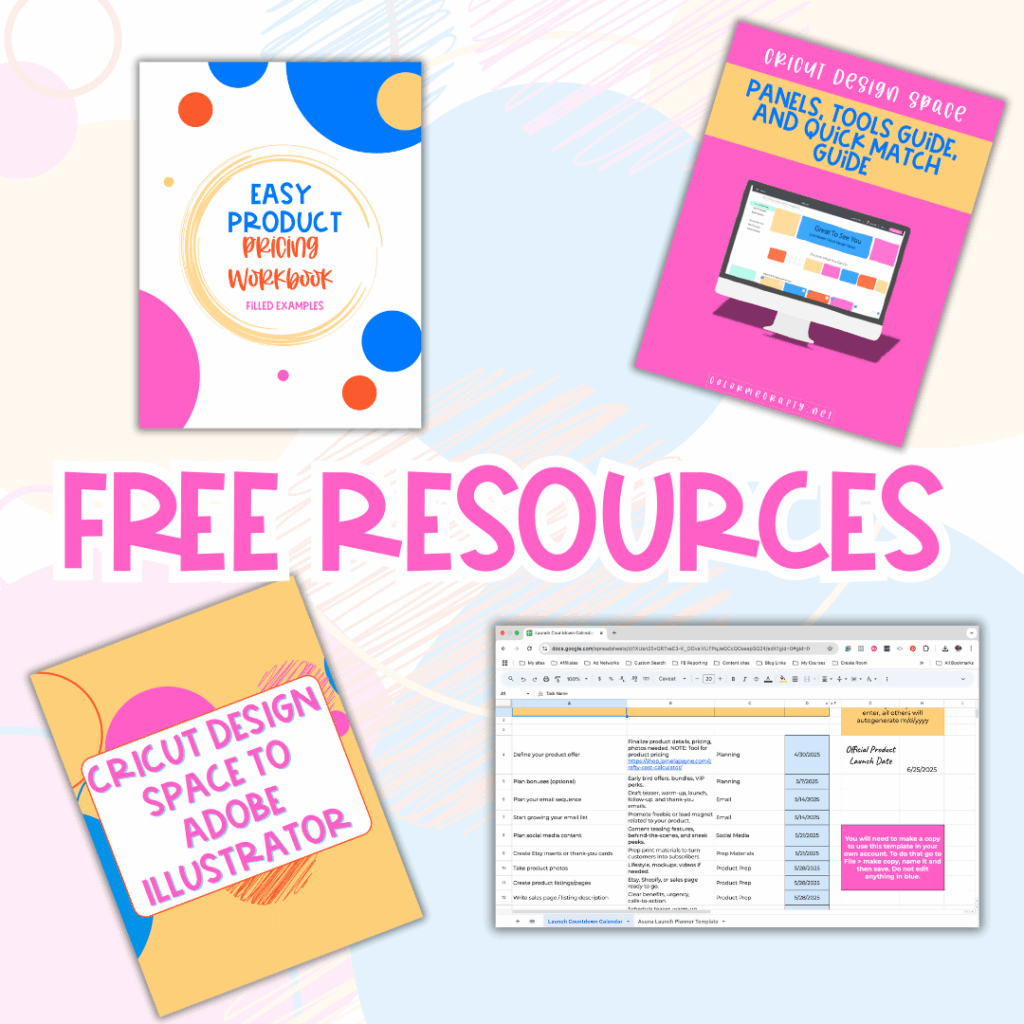
Want free resources to help you create and grow?
Check out my resource library for instant access to guides, templates, and tools you can start using today.
1. Start With What You Have
Look around your home and take inventory. Do you already have crafting supplies you can turn into sellable products? Maybe leftover fabric, vinyl, paint, yarn, or beads? Start there. You can create your first product line without buying a single new thing.
Pro Tip: Choose items you can make quickly and affordably but still price for profit. Here’s a guide on Handmade Items That Sell to help you brainstorm.

2. Sell to Your Warm Market First
Before you think about Etsy or craft fairs, start close to home. Friends, family, coworkers, and neighbors are more likely to support you — and word-of-mouth is free. Post photos of your products on your personal Facebook or Instagram. Let people know you’re open for orders.
When you’re ready to go beyond your inner circle, check out my tips for Getting Your First Customer.

3. Use Free Online Tools
You don’t need to pay for fancy software to look professional when you’re just starting.
Here are some free tools you can use:
- Canva for designing logos, labels, and social media posts.
- Google Docs/Sheets for tracking orders and expenses.
- Instagram/TikTok for building your audience without ad spend.
Keep your branding consistent from day one — even if it’s simple. If you’re not sure where to start, my post on How to Brand Your Business walks you through it.
How To Start A Craft Business With No Money
Save This Post For Later With The Button Above
4. Price for Profit (Even in the Beginning)
It’s tempting to underprice your products when you’re new, but that’s the fastest way to burn out. Even if your materials were “free” from your stash, your time is valuable.
Use the formula in my guide on How to Price Handmade Products to make sure every sale moves your business forward.

5. Trade Skills or Supplies
If you need something you don’t have — like product photography, a website, or extra materials — see if you can barter. Offer your products in exchange for what you need. This is a great way to fill in the gaps without spending cash.

6. Reinvent and Reinvest
As your first orders come in, don’t spend the profit just yet. Reinvest it into supplies, better tools, or small upgrades that make your process faster. That’s how you go from “starting with nothing” to building real momentum.

Starting a craft business with no money doesn’t mean starting with no plan. You can take action today with the supplies, skills, and connections you already have — and grow from there. The key is to start small, be resourceful, and reinvest as you go.
The sooner you start, the sooner you’ll be making sales.
If you’re still unsure what to make first, check out my post on Handmade Items That Sell for product inspiration.


