

Running a handmade business is exciting — but if you’ve ever reached the end of the month and thought, “Where did all my money go?” you’re not alone.
Most makers start their craft business for the love of creating. But without a plan for managing cash flow, you can easily end up working hard and still struggling to pay yourself.
That’s where Profit First by Mike Michalowicz comes in. In this book, Mike shares a system for making sure you actually keep your profits instead of waiting to see “what’s left” after expenses.
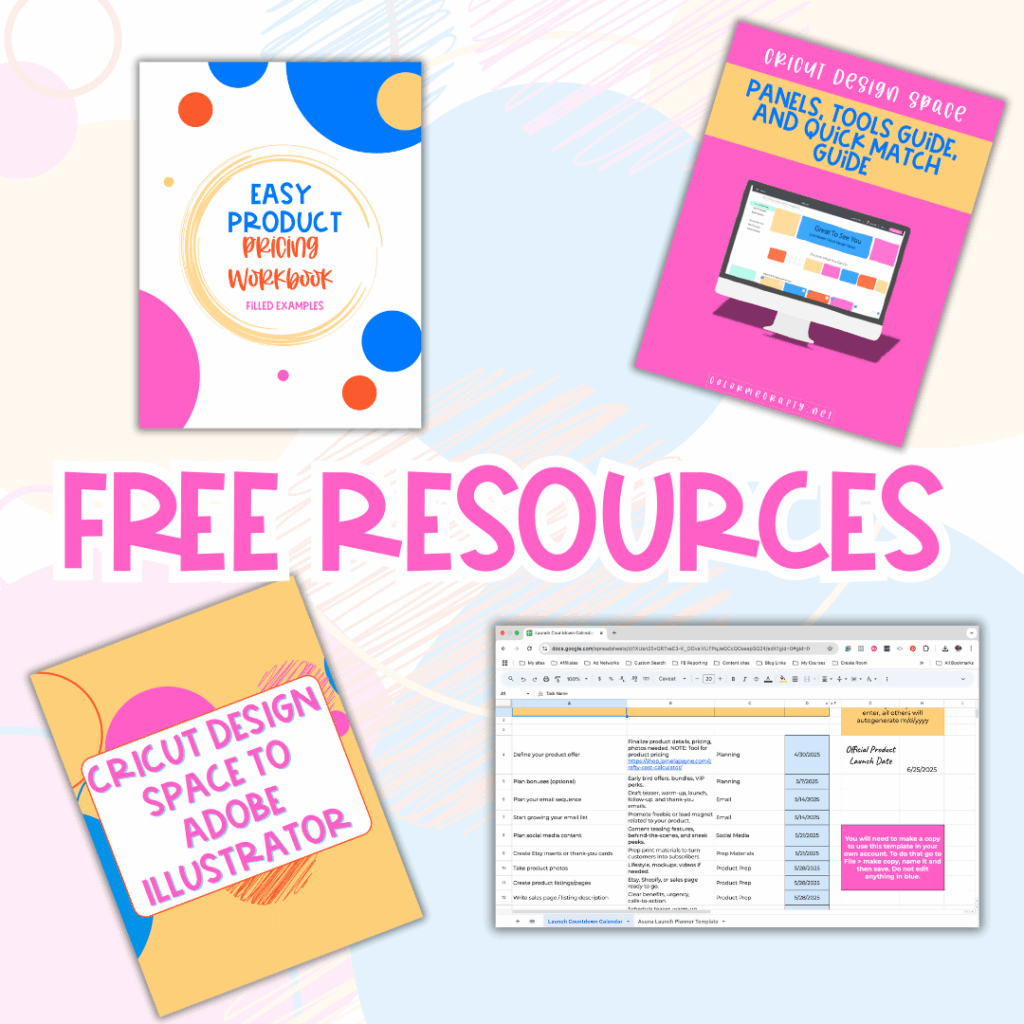
Want free resources to help you create and grow?
Check out my resource library for instant access to guides, templates, and tools you can start using today.
This post will break down the Profit First method, show how it applies to a handmade business, and help you start putting money in your pocket — whether you sell on Etsy, at craft fairs, or from your own Shopify store.
📚 Get the book here: Profit First on Amazon
The Profit First Book Summery: A Crafters Overview
Save This Post For Later With The Button Above
What Is the Profit First System?
Most small business owners (including makers) follow this basic formula:
Sales – Expenses = Profit
The problem? Expenses usually expand to eat up almost everything you bring in. Profit First flips the formula:
Sales – Profit = Expenses
That means you take your profit first — and then you run your business on what’s left.
For a handmade seller, that could mean:
- Avoiding the trap of “buying more supplies” just because there’s money in the account
- Paying yourself a set amount each month from your craft fair and Etsy sales
- Always having money set aside for taxes and materials

The Core Idea: Separate Bank Accounts
Mike suggests setting up multiple bank accounts so you see exactly where your money is going. At minimum, you’ll have:
- Income Account – where all sales deposits land
- Profit Account – your “take home” money
- Owner’s Pay Account – your salary
- Tax Account – so tax season doesn’t hit like a brick
- Operating Expenses Account – to run your business
💡 For my business, I use RelayFi because they make it simple to set up multiple accounts with no fees — perfect for implementing Profit First without a bunch of bank headaches.e sustainable growth.

Allocating Your Percentages
In Profit First, you transfer money from your income account into the other accounts on a set schedule (like twice a month), based on percentages.
For example, a handmade business doing $2,000/month in sales might allocate:
- Profit: 5% ($100)
- Owner’s Pay: 50% ($1,000)
- Taxes: 15% ($300)
- Operating Expenses: 30% ($600)
If your materials and expenses are eating up too much, you’ll see it immediately and can make changes — like raising your prices (here’s my full guide to pricing handmade products).
Why This Works for Handmade Sellers
Craft businesses often deal with:
- Seasonal sales spikes (like holiday rushes)
- Big upfront costs for supplies
- Inconsistent monthly income
By paying yourself first and controlling your expense budget, you’re never in a scramble when sales dip — or tempted to blow a good month’s revenue on new tools you don’t need yet.
This also makes it easier to hit goals, like saving for a big craft fair booth fee or upgrading your work area.
My Favorite Takeaways from Profit First
- Parkinson’s Law is Real
If you see money sitting in your account, you’ll find a way to spend it. Multiple accounts make it harder to spend what’s meant for profit. - Small Percentages Add Up Fast
Even setting aside just 1% for profit in the beginning can create momentum — and show you what’s possible. - Constraints Boost Creativity
If you only have $600 for operating expenses this month, you’ll find ways to cut costs without hurting quality.
Should You Read Profit First?
Absolutely — especially if you’ve been selling your handmade items but still feel “broke” at the end of every month.
It’s not a boring finance book — Mike writes with humor, stories, and examples that make it easy to understand and apply.
📖 Grab your copy here: Profit First on Amazon
And once you start thinking about profit first, take the next step:
- Learn how to price handmade products so you’re charging enough to pay yourself
- Read my guide to getting your first customer if you’re still building sales
- Check out handmade items that sell best for ideas to grow your product line
💡 Want more tips like this? My free Resource Library is full of tools, templates, and guides to help you run your handmade business smarter — and actually make money from your craft.


